In the past three years, live streaming of esports has grown from a niche hobby to a mainstream entertainment channel. If you’re a UK player wondering whether you should start streaming, the first thing to note is that platforms like Twitch and YouTube Gaming now average over 10 million concurrent viewers on major titles such as Fortnite and League of Legends. That’s a 35 % increase over 2019, according to recent viewership reports.
Hardware and Setup: The Minimum You Need
To get started, you don’t need a top‑tier rig. A mid‑range PC with an Intel i5‑9600K, 16 GB RAM, and a GTX 1660 Super will stream at 1080p 60 fps without dropping frames. A dedicated capture card, like the Elgato HD60 S, costs around £200 and keeps the stream stable. A good mic—USB models such as the Blue Yeti—adds clarity, and a ring light or softbox will cut the “grainy” look that turns off viewers.
Audience Engagement: Building a Community
Viewers don’t just watch; they interact. A typical stream of an 8‑hour session will see between 50 and 200 chat messages per minute. Using a bot to highlight frequent viewers and run quick polls keeps the chat lively. Setting a clear schedule—say, Wednesday and Saturday evenings at 8 p.m. GMT—helps viewers know when to tune in. Consistency beats spontaneity when you’re trying to grow a following.
Monetization Paths: From Bits to Sponsorships
Once you hit 50 followers, you unlock Bits, the in‑stream currency that pays out at roughly £0.003 per Bit. If you stream a competitive match and earn 10,000 Bits, that’s about £30. More lucrative are sponsorships; a modest brand might pay £200–£500 per month for a 5‑minute spot in your stream. However, the first step is usually a small local sponsor—think a nearby gaming café—before you can attract larger partners.
Legal and Tax Considerations for UK Streamers
Streaming income is taxable. If you earn over £12,570 in a tax year, you must register as self‑employed and file a Self Assessment return. Keep records of all earnings and expenses—camera, software subscriptions, internet costs—since HMRC allows deductions up to 30 % of business expenses. Also, be mindful of copyright: using music without a license can result in a DMCA takedown and a loss of revenue.
Balancing Play and Stream: Avoiding Burnout
Playing for hours and streaming for the same period can lead to fatigue. A practical rule is the 2:1 ratio: play two hours, stream one hour, then step away for at least 30 minutes. This keeps your reactions fresh and prevents the “streamer’s itch” where you’re constantly seeking the next game to play. If you notice your commentary slipping, take a break and return with a fresh perspective.
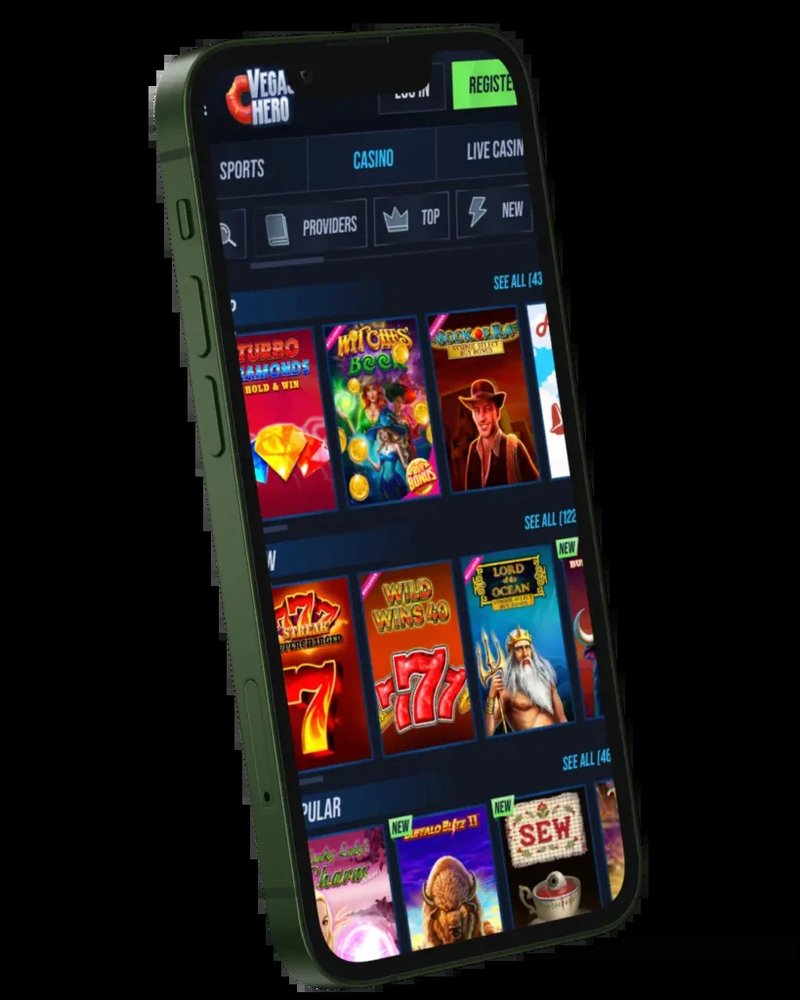
When you’re ready to dive deeper into the online gaming scene, consider the variety of experiences beyond traditional esports. Vegashero offers a curated selection of live streaming events that blend competitive play with interactive entertainment, providing a new angle for UK players who want to blend skill with community engagement.
Which Path to Take?
If your goal is quick visibility, start with a single popular title and a basic setup. If you’re aiming for long‑term growth, invest in a higher‑quality camera, a professional mic, and a steady internet plan. Remember: the most successful streamers are those who treat the channel as a business, keep records, and respect the legal framework. With the right balance of content, community, and compliance, live streaming can become a rewarding side hustle or a full‑time career in the UK esports landscape.
Frequently Asked Questions
What’s the current popularity of esports streaming in the UK?
Esports streams on Twitch and YouTube Gaming attract over 10 million concurrent viewers for major titles, a 35 % jump since 2019.
Do I need fancy gear to begin streaming?
You can start with a decent webcam, microphone, and a reliable internet connection; many successful UK streamers began with basic setups.
Leave a Reply